

Break free from traditional investing myths with data-driven, goal-focused strategies.
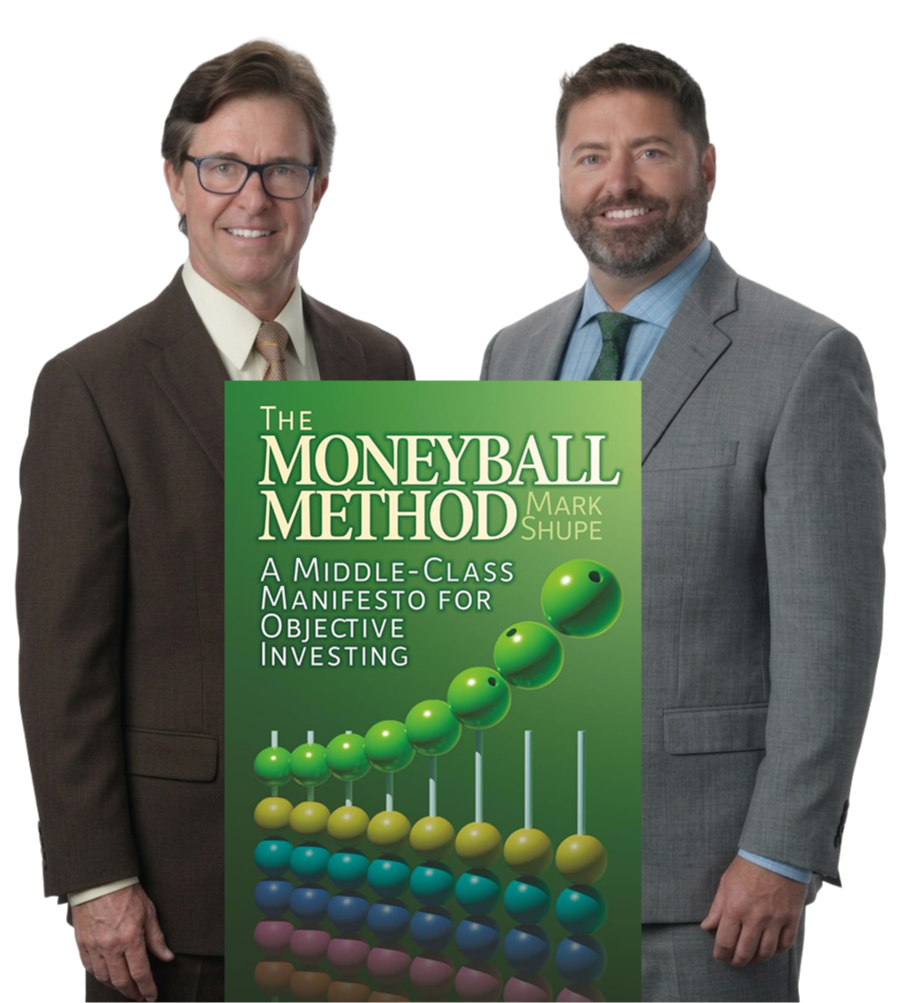
These webinars are based on The Moneyball Method by Mark Shupe, a guide that challenges conventional wisdom and changes middle-class and affluent investors' approach to financial decisions.
Inspired by the famous Moneyball story from baseball, statistical analysis for profitability now prevails throughout professional sports. The Moneyball Method uses the same philosophy and process for the cash flow and investment strategy decisions of our clients.

Investment Returns
When do they make sense?
Based on The Moneyball Method, this video explains when investment returns truly support your goals and how to view them through an objective lens.
Chapters:
| 2:55 | 2002 Oakland Athletics | 21:00 | Control What You Can Control |
| 4:10 | Reject Traditional Practices | 22:40 | The New Benchmark |
| 5:40 | Industry Disclaimers | 26:00 | Beating the Market |
| 7:15 | Past Performance | 27:55 | Long-Term Price Histories |
| 10:05 | Market Projections | 30:40 | Extreme Markets |
| 12:50 | Traditional Market Data | 32:55 | Sequence of Returns |
| 16:00 | Managing Expectations | 34:55 | Contingency Plans |
| 18:10 | Objective Data | 37:10 | Roth Conversions |

Capital Markets
How do they work?
This session uses insights from The Moneyball Method to understand the basics of capital markets and how they influence your investments and financial planning.
Chapters:
| 2:25 Statistical Analysis | 22:10 Historical Data Sets |
| 3:55 Definition of Economics | 26:30 Say’s Law of Markets |
| 5:00 Lincoln Disclaimer | 28:50 Protective Tariffs |
| 7:15 Regulation and Prices | 30:00 Diversification |
| 9:45 Degrading Prices | 31:40 I, Pencil Essay |
| 13:15 GDP and Money Supply | 34:15 America Attracts Capital |
| 15:55 Idiosyncratic Risks | 35:20 Reject Traditional Practices |
| 19:25 Market Assumptions |

Advisory Fees
Why do they matter?
Learn from The Moneyball Method to discover why advisory fees are important and how they impact your overall investment success.
Chapters:
| 3:10 | Advisors and Fees | 24:20 | Risk Capacity |
| 4:50 | Risk Evasion and Avoidance | 25:35 | Adding Alpha |
| 7:50 | Traditional Premises | 28:55 | Political Events |
| 12:30 | Performance Measurement | 31:30 | Contingency Plans |
| 17:20 | Traditional Implementation | 32:30 | Time and Money |
| 20:05 | Control What You Can Control | 33:40 | Retirement Checklist |
| 21:40 | Advisory Fee Schedule | 36:10 | Fees as a Profit Center |

Financial Independence
What Does That Mean?
Drawing on The Moneyball Method, explore what financial independence really means and how you can work toward achieving it.
Chapters:
| 3:15 | Commonly Used Term | 20:05 | Site Map |
| 5:45 | Money Talks | 21:50 | Ideal and Acceptable |
| 7:55 | Conceptions of Money | 22:55 | Financial Independence |
| 10:05 | Moneyball | 25:15 | Debasement of Money |
| 12:05 | Serenity Prayer | 27:25 | Fiduciary Responsibility |
| 13:45 | Personal Independence | 29:25 | Statistical Analysis |
| 16:50 | Investment Objectives | 31:00 | Prediction Markets |
| 18:55 | Cash Flow Strategy |